New Media Rights Hosts Discussion Panel at the 21st Annual MLRC Media & Entertainment Conference
Submitted by New Media Rights last modified Wed, 04/10/2024 - 10:18am

Learn about our legal services for: App Developers, Artists & Graphic Designers, Bloggers & Journalists, Clothing Designers, Entrepreneurs, E-commerce Business People & Startups, Filmmakers & YouTube creators, Public Broadcasting producers,Game Developers, Internet users & Smartphone users, Makers, Musicians, Non-Profits, Photographers, Scholars, Researchers, and Writers and Publishers.

What's the best way to avoid legal problems for your business or creative work? Read our book!
Ever wonder when you can reuse music, photo, or film clips from other sources? Find out with our interactive Fair Use App.
150+ videos to help you create. You can find our video guides here.
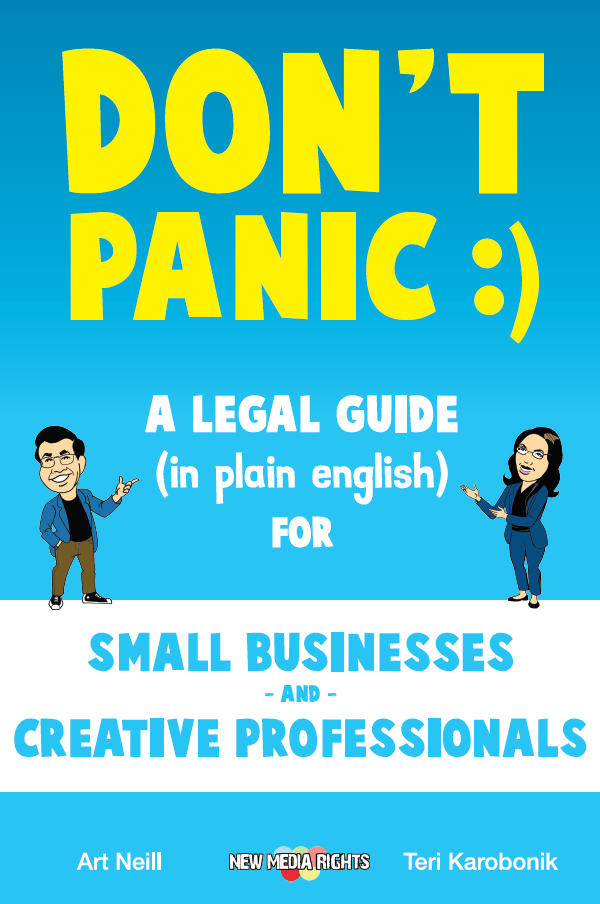 In our new book, we focus on issues you may encounter from the inception of your business to the moment (that hopefully doesn’t happen) you get a nasty lawyer letter for the first time.
You’ll learn how to form your business, protect your intellectual property, and avoid problems when launching your project. Taking a few simple steps upfront to protect your business or project can save time and money down the road. Don't Panic has also been used in undergraduate & graduate classes nationwide to teach business and legal concepts to non-lawyers. Professors can request a FREE evaluation copy
CHOOSE YOUR FORMAT
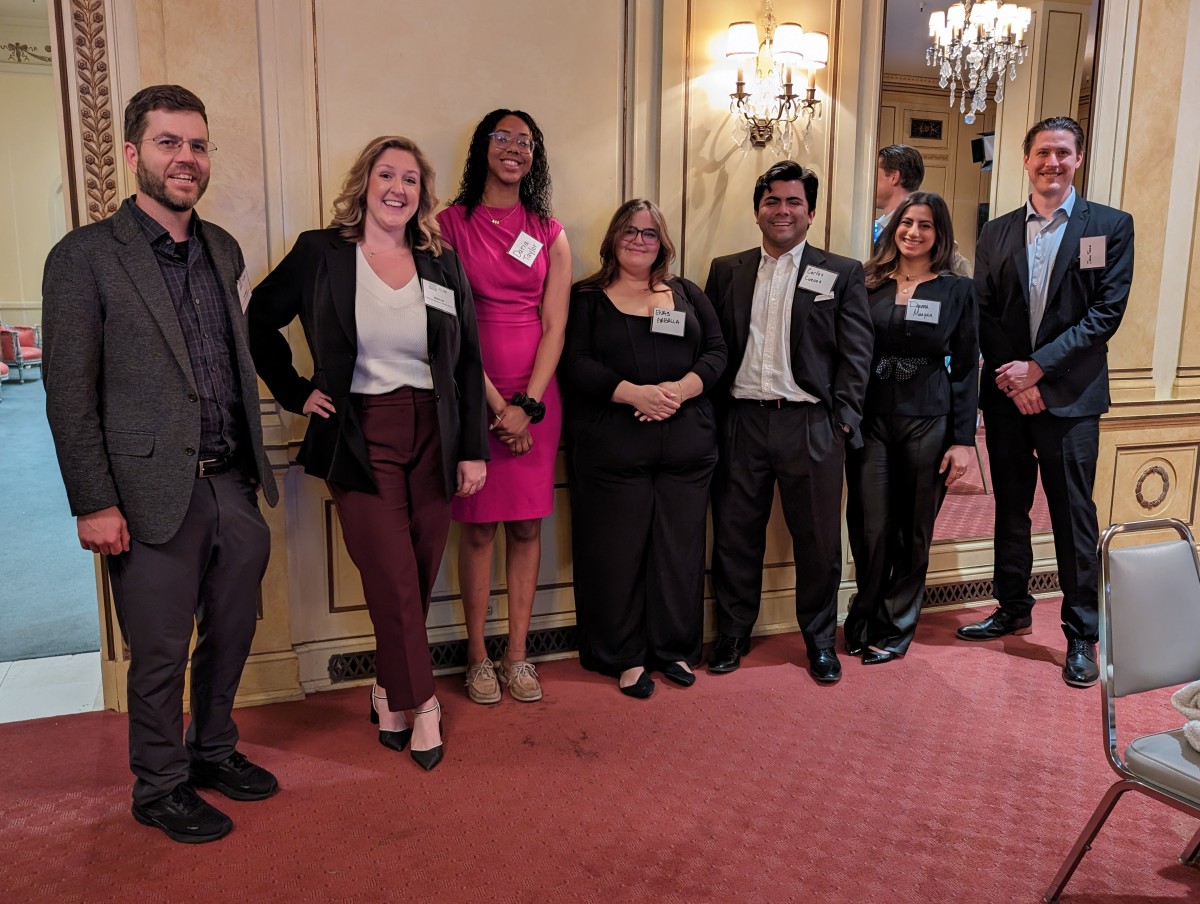 Executive Director Art Neil and Assistant Director Erika Lee recently spoke at the 21st Annual
 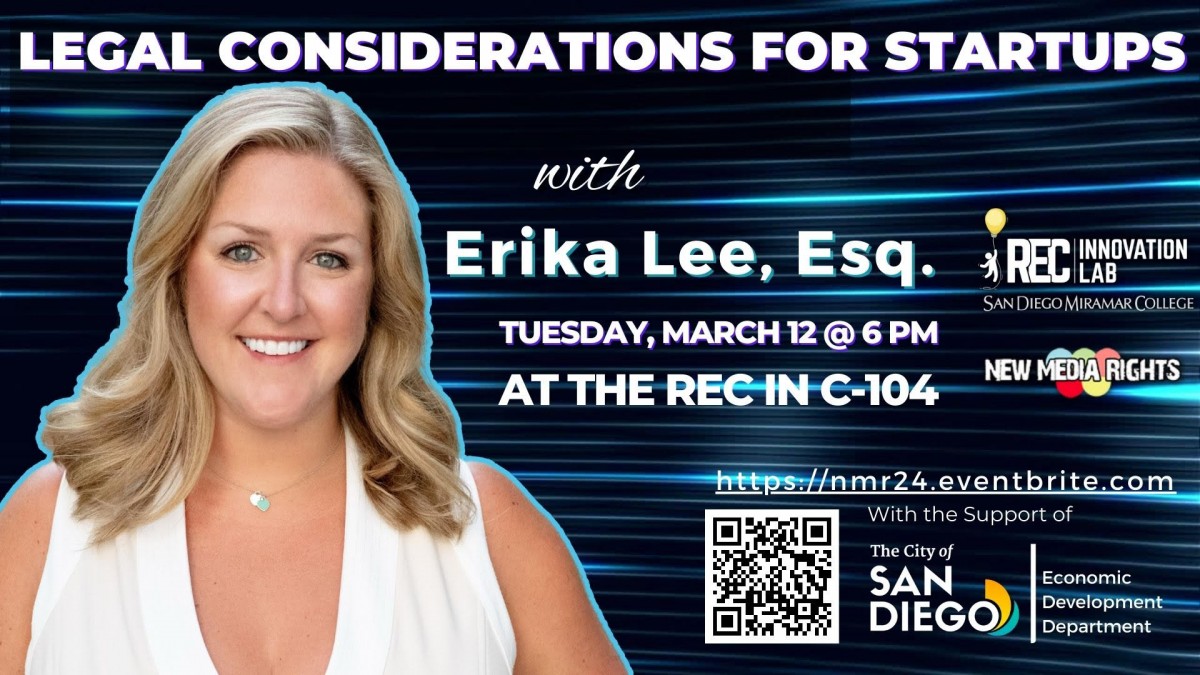 New Media Rights recently presented a workshop at the REC Innovation Lab at San Diego Miramar College! Assistant Director Erika Lee and Student Fellow Deanna Maayaa were on site to talk about copyright, contracts, and other legal issues common to startups.
 Giving Tuesday is here! Please take a moment now and
  New Media Rights recently worked on the podcast A CRISPR Bite, produced by Corinne Ruff and the GEAP3 Network (Genome Editing and Agricultural Policy, Practice, and Public Perceptions).
 The Copyright Office is currently conducting a study on Artificial Intelligence and Copyright, focusing on the copyright law and policy issues raised by artificial intelligence technology. On October 30th, New Media Rights submitted comments to the Copyright Office about legal issues surrounding the use of copyrightable inputs in training datasets for artificial intelligence, primarily whether or not such training uses are fair use.
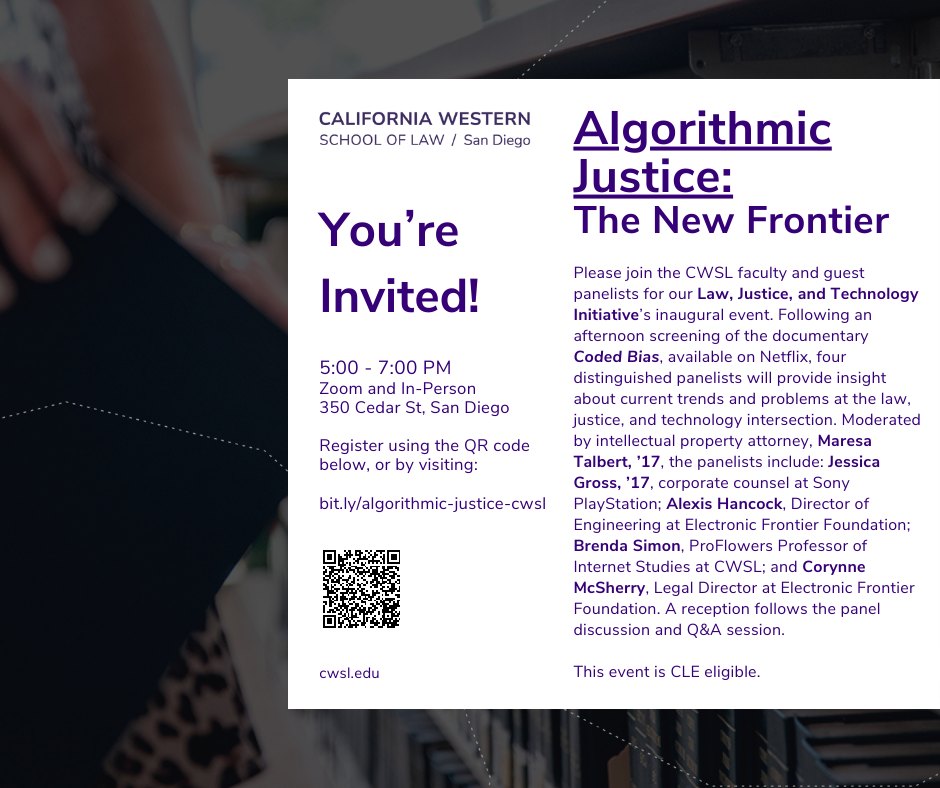 Please join us for a free panel on Artificial Intelligence called "Algorithmic Justice: The New Frontier" on October 12th at 5pm at California Western School of Law. This event will help kick off the school's Law, Justice, and Technology Initiative as well as the IP, Privacy, and Media Law concentration. You can
  Assistant Director Erika Lee and Student Fellow Cristina Meisterling recently presented at the KPBS Explore Local Content Program orientation workshops!
 New Media Rights Assistant Director Erika Lee and Student Fellow Cristina Meisterling recently spoke with students in the Small Business Planning class at the San Diego College of Continuing Education.
 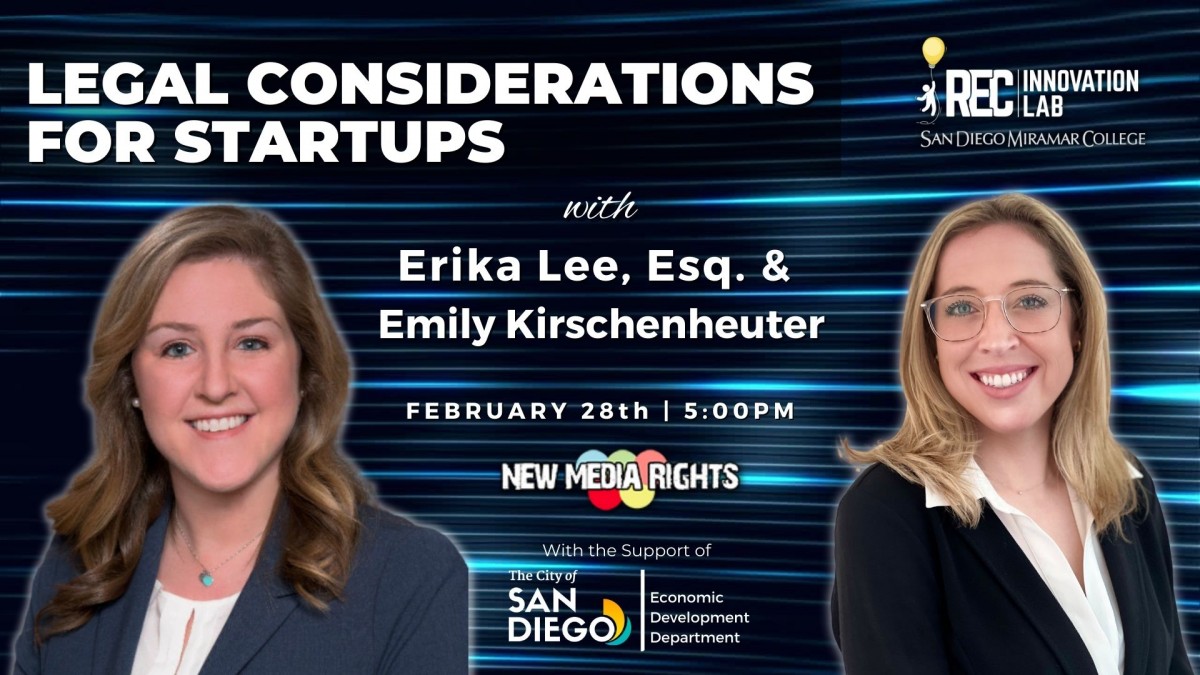 New Media Rights will be at the REC Innovation Lab at San Diego Miramar College on February 28th!
  New Media Rights Executive Director Art Neill and Assistant Director Erika Lee were guests on the Pop Culture Dective: Audio Files Podcast!