
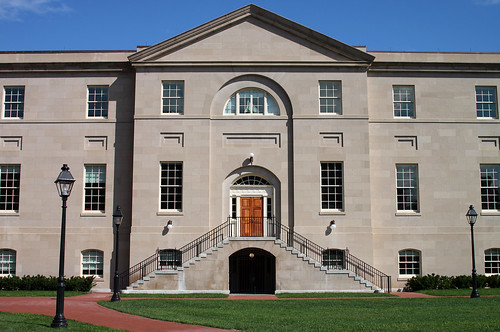
The U.S. Court of Appeals for the District of Columbia heard oral arguments last Friday for the Comcast v. FCC case. The court appeared unconvinced of the FCC's authority to assert its net neutrality principles.
Comcast is appealing a 2008 FCC enforcement action in which the FCC alleged Comcast throttled BitTorrent and other Peer-to-Peer programs of its users. The FCC claimed Comcast violated the FCC's net neutrality principles because this throttling did not constitute "reasonable network management."
Comcast has appealed the ruling, arguing that the FCC has no authority to enforce its net neutrality principles. Thus, Comcast contends that these principles are mere guidelines, not binding or enforceable rules.
In a previous blog, New Media Rights discussed the FCC's endeavor to promulgate rules for an "open and transparent Internet." While regulation is needed to ensure the integrity the internet, the FCC may not currently have the authority to do so.
The three judge panel in the Comcast case appears to be mining this question, as it consistently questioned the FCC about the source of power behind its net neutrality principles. As Judge Raymond Randolph apparently told the FCC, "You have yet to identify a specific statute.”
While oral arguments do not always predict how a court will decide, the judges' questioning regarding the FCC's authority suggests that Comcast has a real chance at getting a favorable decision. The effect of the decision will also strike a blow toward the FCC's ability to enforce its net neutrality principles, and shift the debate about net neutrality to Congress.